cs/04 · b2b saas · asbl
ASBL Leads
Real-Time Lead Tracker
Problem
The lead funnel lived across forms, sheets, ad dashboards, and inboxes, so every team was looking at a different version of reality. Marketing, sales, and leadership had limited visibility into stage progression, aging leads, and where the funnel was leaking.
Role
I designed the lead-tracking dashboard experience, structured the funnel model, and shaped the information hierarchy so teams could make decisions from one shared view.
Constraints
- Different teams cared about different funnel states and timeframes.
- Stage definitions needed to be standardized before the UI could be trusted.
- Leadership needed action-oriented signal, not just more charts.
Process
I mapped the lead journey from capture to closure and used stakeholder interviews to understand where decisions were getting blocked. The work centered on clarifying stage language, surfacing SLA visibility, and reducing the gap between operational detail and executive overview.
Decisions
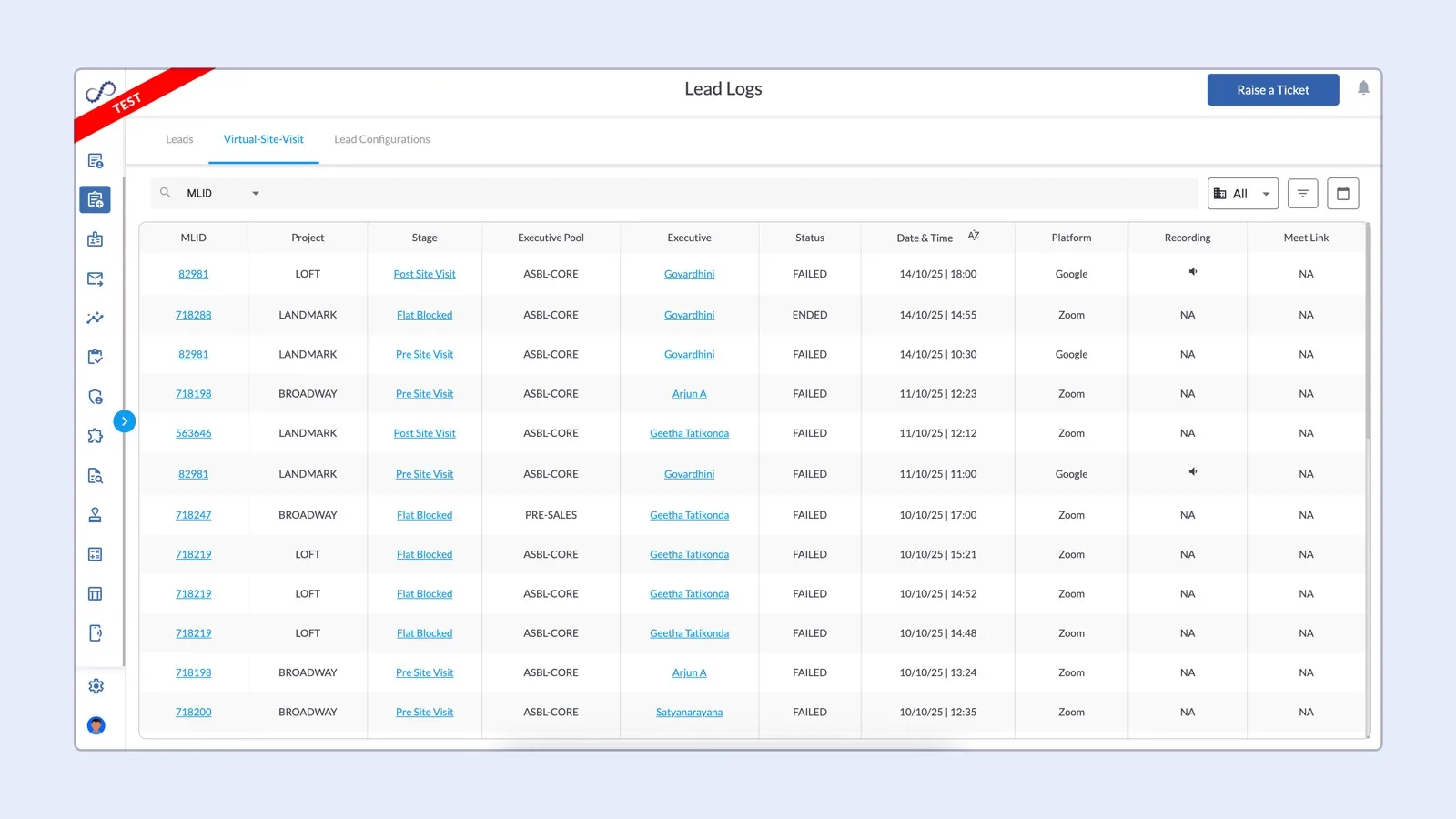
- Created a unified dashboard: visitors, leads, pre-site, post-site, blocked, and closure states were visible in one place.
- Added aging and SLA views: heatmaps and cohort drill-downs helped teams catch delays faster.
- Visualized source quality: campaign and channel performance could be compared beyond raw lead volume.
- Designed an executive mode: the dashboard highlighted leakage, next actions, and emerging risks.
- Embedded governed definitions: stage meanings and playbook references reduced interpretation gaps.
Outcome
The product became a single, trusted view of funnel health. Instead of reconciling scattered reports, teams could act from a shared understanding of stage movement, aging risk, and campaign quality.
Impact
- 25% improvement in funnel visibility and shared understanding.
- Faster interventions on aging cohorts (alerts + drill-downs).
- Cleaner budget decisions as campaign quality surfaced beyond CPL.
- Fewer misroutes thanks to consistent stage semantics.